
Understanding the psychology behind gambling what motivates players to take risks
The allure of risk-taking
The psychology of gambling revolves heavily around the allure of risk-taking. For many individuals, the thrill of placing a bet can evoke a powerful emotional response, leading to feelings of excitement and anticipation. This sensation is often compared to the adrenaline rush experienced in extreme sports, as players engage with the unpredictable nature of gambling. The combination of uncertainty and potential reward can be intoxicating, attracting individuals who seek the highs associated with risk. In this engaging narrative, users can visit Here to learn about the complexities of gambling and its impact on various cultures.
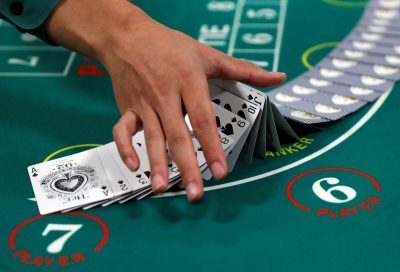
Moreover, societal influences play a significant role in reinforcing gambling behaviors. Many cultures celebrate risk-taking as a rite of passage, associating it with bravery and adventurousness. Consequently, individuals may feel compelled to gamble not only for personal enjoyment but also to align with social norms that reward risk. This cultural endorsement of thrill-seeking behaviors can further entice players to engage in gambling activities, making it a common pursuit across different demographics.
Cognitive biases significantly impact how players perceive their chances of winning. One of the most common biases is the illusion of control, where gamblers believe they can influence the outcome of games that are fundamentally random. This misconception can drive players to take risks they might otherwise avoid, as they overestimate their abilities to predict or affect the results. Such biases create a false sense of security that can lead to repeated gambling, despite the statistical odds being unfavorably stacked against them.
Furthermore, the concept of loss aversion—the tendency to prefer avoiding losses over acquiring equivalent gains—plays a crucial role in gambling behavior. When faced with losses, players often feel compelled to continue gambling in hopes of recovering their money, which can lead to a downward spiral. This behavior underscores a complex relationship between emotional states and decision-making processes, revealing how psychological factors can influence financial choices in gambling.
The reinforcement of gambling behaviors is another key aspect of its psychological appeal. Variable rewards, where payouts are unpredictable, enhance the excitement of gambling. This unpredictability can activate the brain’s reward system, releasing dopamine and fostering a desire for more. The anticipation of winning, coupled with the potential for significant financial gain, can create a cycle of continuous gambling as players chase the next big win.
Additionally, social reinforcement within gambling environments, such as casinos or online platforms, can further motivate players. Observing others win can intensify the desire to participate and take risks, creating a communal atmosphere that encourages gambling. This social dynamic not only heightens the thrill of risk but also validates individual choices, as players become part of a larger narrative surrounding gambling and its potential rewards.
Emotions play a critical role in shaping gambling behavior. Many players turn to gambling as a means of escaping stress, boredom, or negative emotions. The temporary high generated from winning can provide a sense of relief or joy, reinforcing the behavior as a coping mechanism. Conversely, feelings of sadness or anxiety can lead to impulsive gambling as individuals seek comfort in the excitement of risk.
Furthermore, the social context in which gambling occurs can amplify these emotional responses. Whether it’s a night out with friends or an online gaming session, the surrounding environment can affect how players perceive risk and reward. Understanding these emotional undercurrents is essential for comprehending why individuals may gamble despite the inherent risks involved.

Exploring gambling through cultural perspectives
Gambling is a multifaceted activity shaped by various cultural perspectives. Different societies have unique attitudes towards risk-taking, which influence how individuals engage with gambling. In some cultures, gambling is intertwined with traditions and celebrations, while in others, it may be viewed negatively. These cultural nuances affect both the motivations behind gambling and the social acceptance of risk-taking behaviors.
Engaging with gambling from a cultural standpoint allows for a deeper understanding of the motivations driving players to take risks. By exploring these cultural dimensions, one can appreciate the diverse ways in which gambling is perceived and experienced, ultimately revealing the broader implications of risk in human behavior.